Stories from the field
Behind every number on our Impact page is a person. These are a few of them, in their own words.
“That leaf is not for us” — until it was
Maciamboza, Cheringoma District — 3R Programme, supported by the Embassy of Sweden
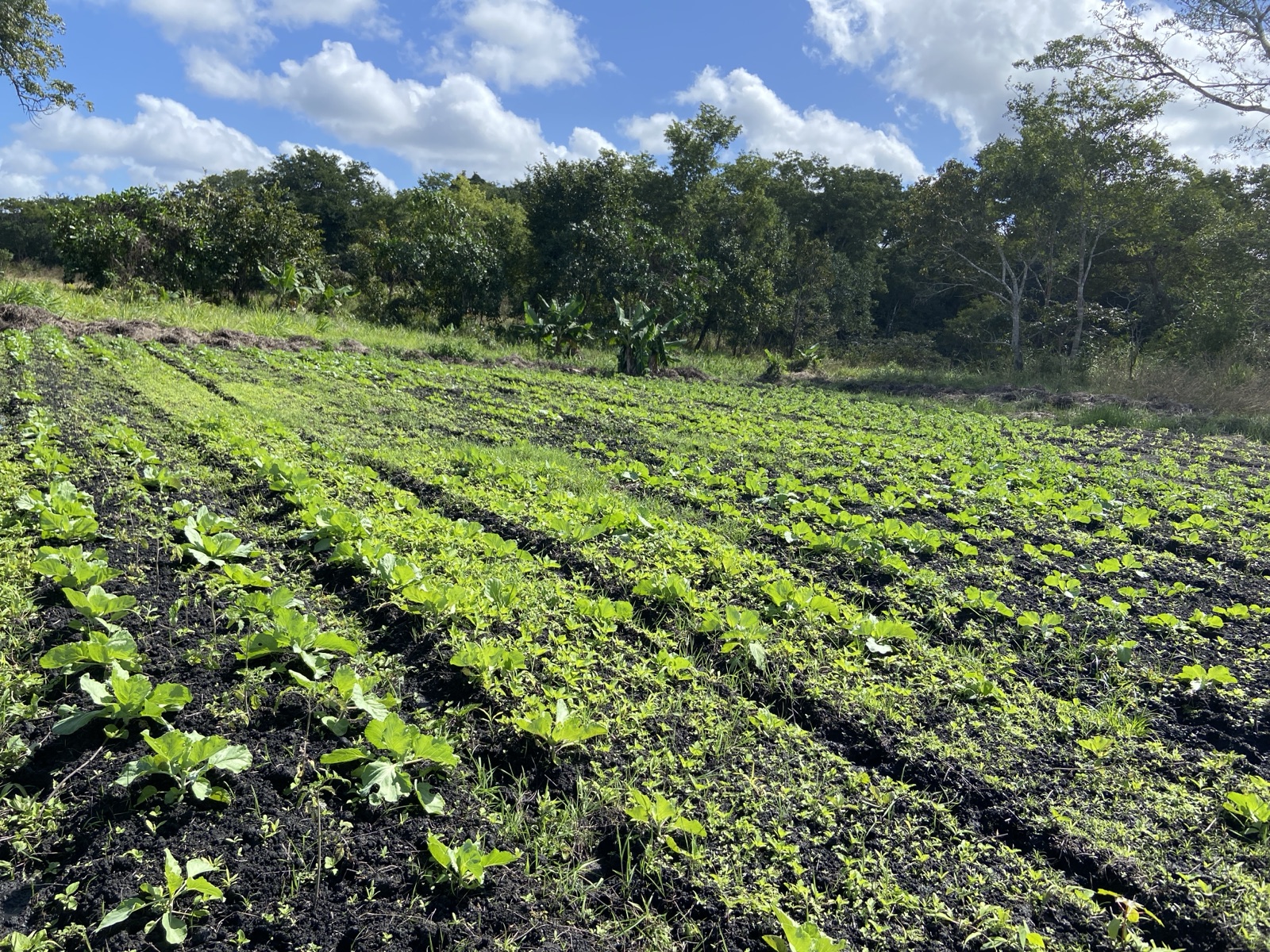
When drought hit Maciamboza, 3R brought something the community had never grown before: lettuce. Seeds, a solar-powered irrigation pump and hands-on training turned a strange idea into a new source of food and income.
Rosa Francisco, a farmer and mother of three, remembers her doubts: “I always thought lettuce was a city thing. Here we used to say, ‘that leaf is not for us.’ I was afraid of getting diarrhoea or other diseases. But I saw the plant grow, become beautiful, and one day we harvested it. It was the first time I had tasted it.”
Mabode João José, who now runs a market stall selling vegetables to about a fifth of the community, put it simply: “In the first phase we grew lettuce, which turned out very well because we had help from technicians. Later on we sold it on markets in Inhaminga city.” Before the programme, he says, he didn’t know how to grow vegetables at all — now he compares his income to that of a salaried employee.
For Elisa Félix, who used to depend entirely on rain-fed crops, the change is about more than one harvest: “This support has opened my mind. I learned that I don’t have to wait for rain to have food at home. Lettuce was just the beginning; now I dream of having a small vegetable business to pay for my children’s schooling.”
The egg she wouldn’t eat
Nhansato, Muanza District — 3R Programme
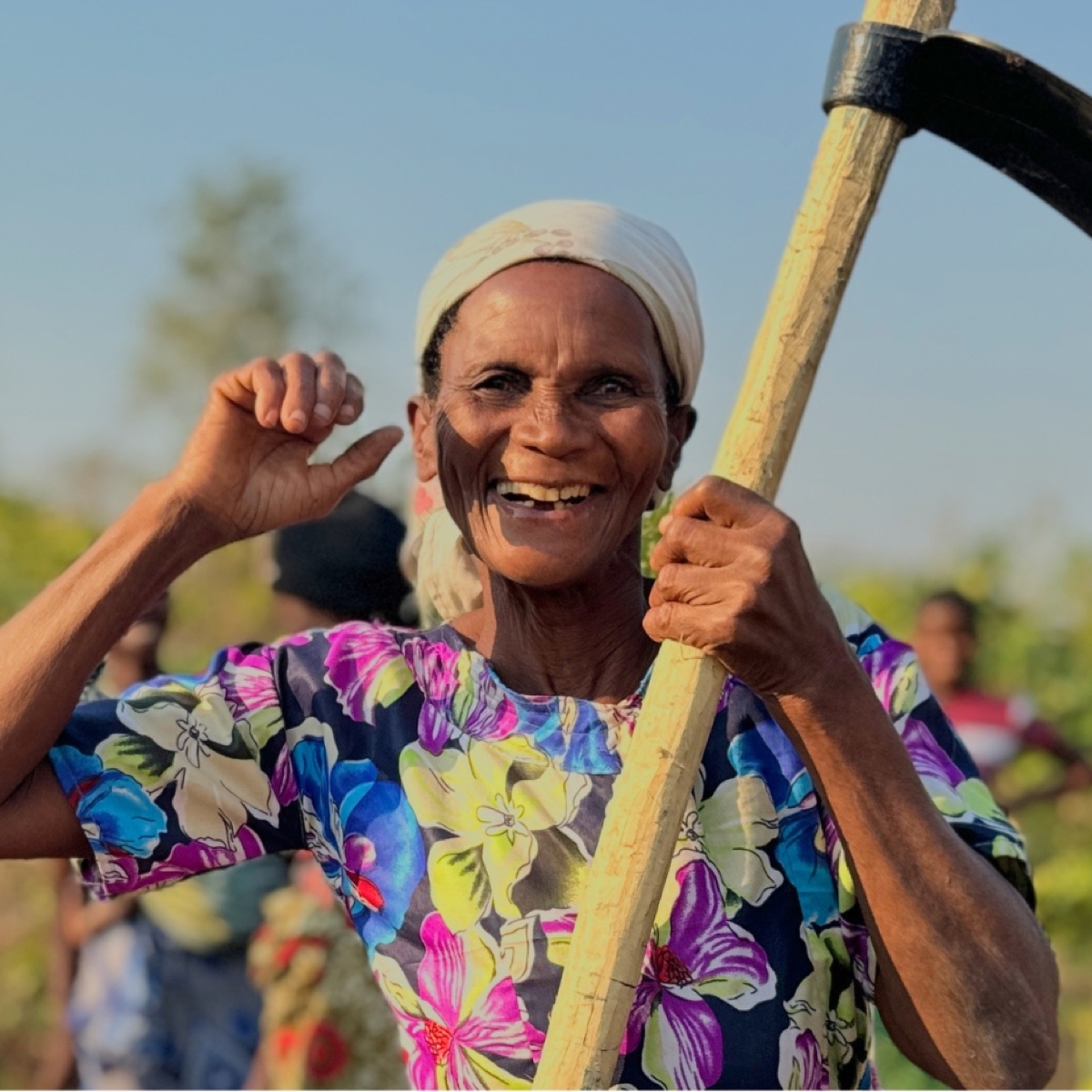
Ester Augusto kept chickens for years but never ate their eggs — a local belief held that eating an egg would make the hen stop laying. She grew almost no vegetables either. A year of support from 3R — tools, seeds for maize, cowpea, onion, lettuce, pepper and tomato, and training in organic fertiliser — changed both.
Today Ester eats eggs from her own hens, grows vegetables to sell as well as to eat, and used her savings group to cover uniforms, enrolment and materials for her two children’s schooling. With the income from her first vegetable sales, she bought something she’d wanted for a long time: a proper cooking pot.
The régulo who became a bridge
Nhagutua, Sofala Province — BioLink Project, supported by USAID
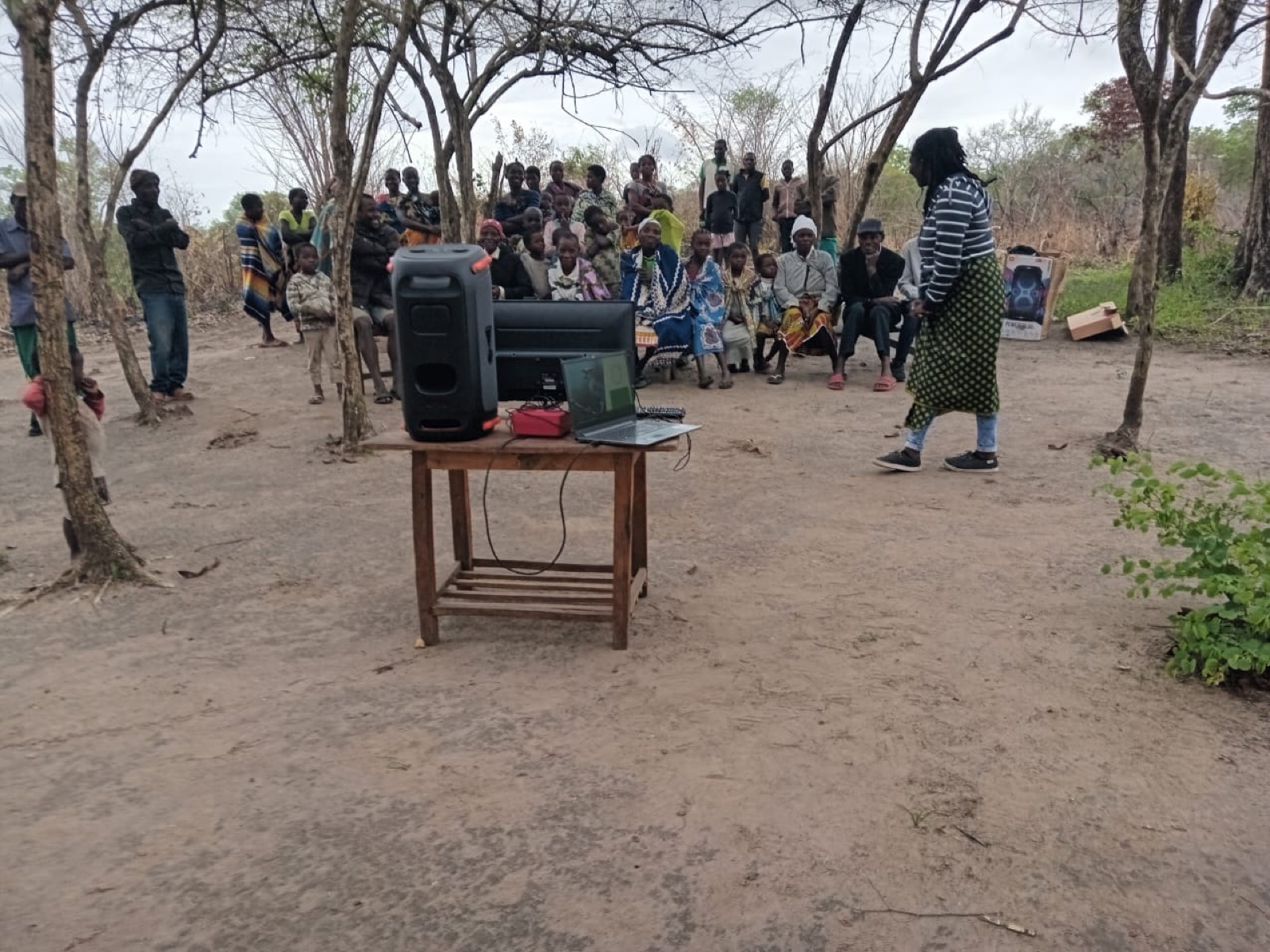
Mfumo Maneca António Jonass is a respected traditional leader in Nhagutua. When BioLink arrived with its travelling cinema and community talks on biodiversity, he saw it as a turning point: “Through the lectures and interactive videos presented in the community, I saw my community come together to learn and reflect on the impact of their daily practices on the environment. Many community members began to understand the vital relationship between trees, rain and water.”
“With the travelling cinema we learned a great deal that helps us keep protecting our natural resources and biodiversity in general. We realised that protecting the trees isn’t only important for nature — it’s important for our survival.”
As a traditional authority, the Mfumo has become a bridge between BioLink’s conservation message and the community’s own knowledge and decision-making — proof that lasting environmental change happens when outside expertise meets local leadership, not when it replaces it.
Want to help write the next story? Get in touch — or see the numbers behind these stories on our Impact page.